
Slow growth, stable liquidity, and a slight improvement in operating margins sum up the performance of the local cooperative system. The main challenge and threat, however, continues to be credit risk management.
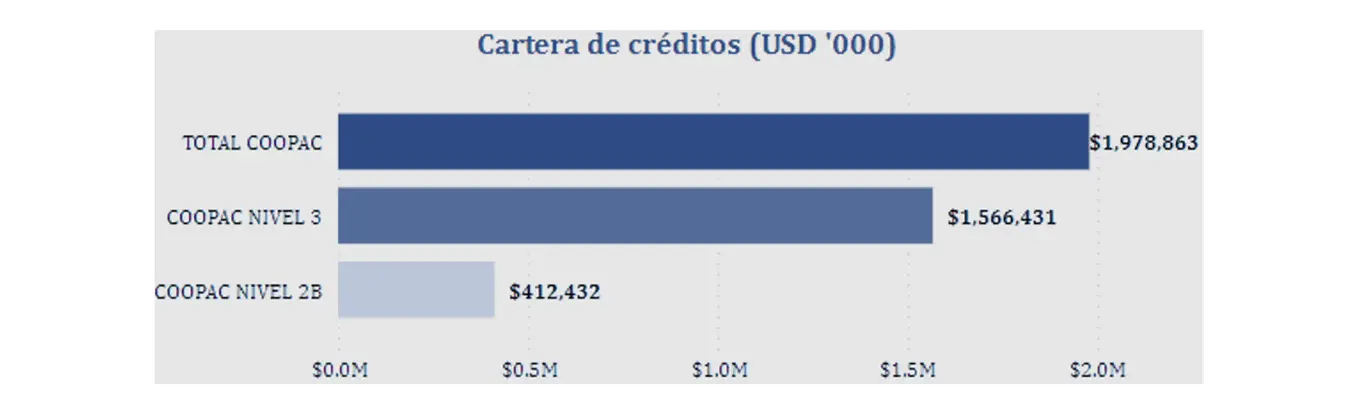
MicroRate analyzed the financial information of Level 3 COOPACs, the largest by loan volume, followed in size by Level 2B COOPACs. Both levels account for around 75% of the total portfolio of the cooperative financial system, which totals approximately USD 2.6 billion.
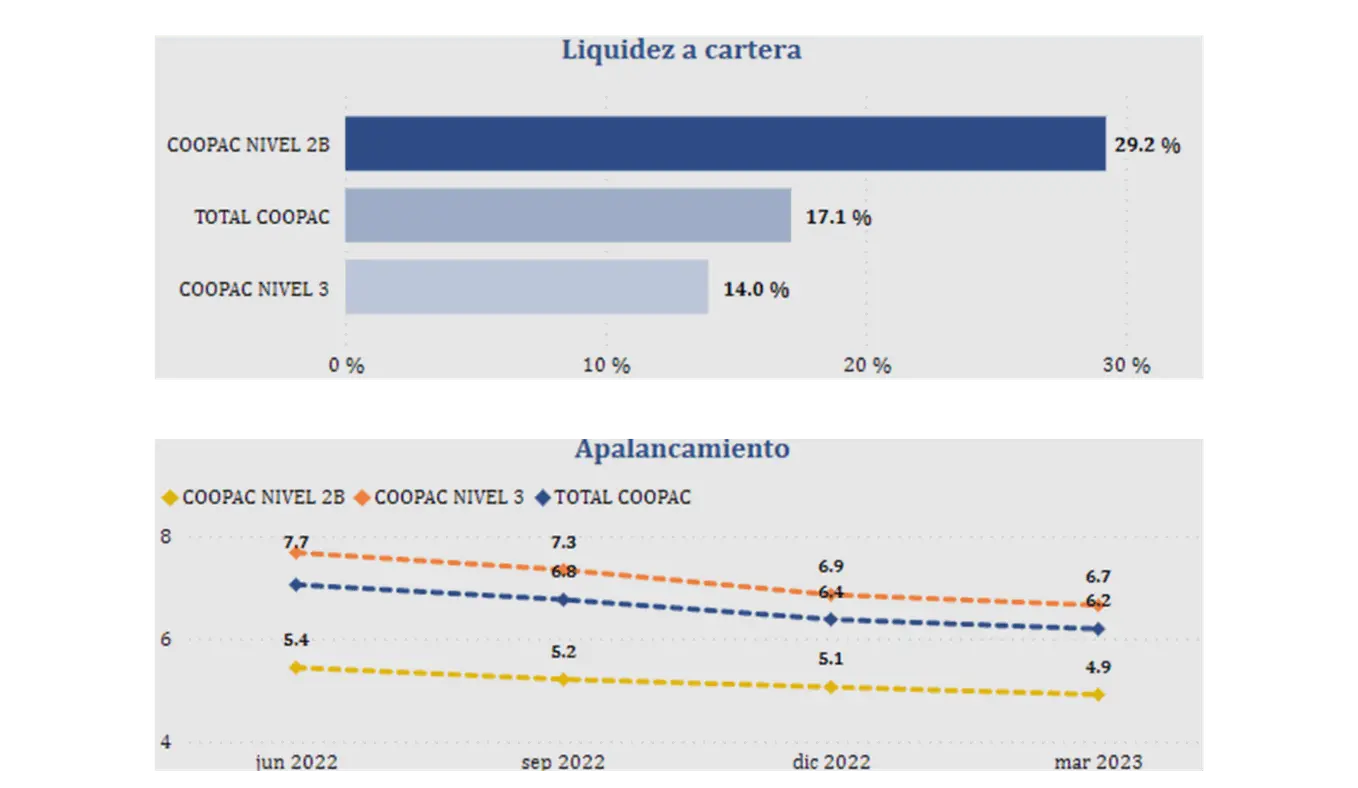
The sector's liquidity-to-portfolio ratio is around 17%, with a downward trend explained mainly by Level 3 cooperatives (14%), in contrast to a higher and more stable figure among Level 2B cooperatives (29%). Both types of cooperatives show a decline in leverage, explained by lower deposit-taking through savings and time deposits, more pronounced among Level 3 COOPACs.
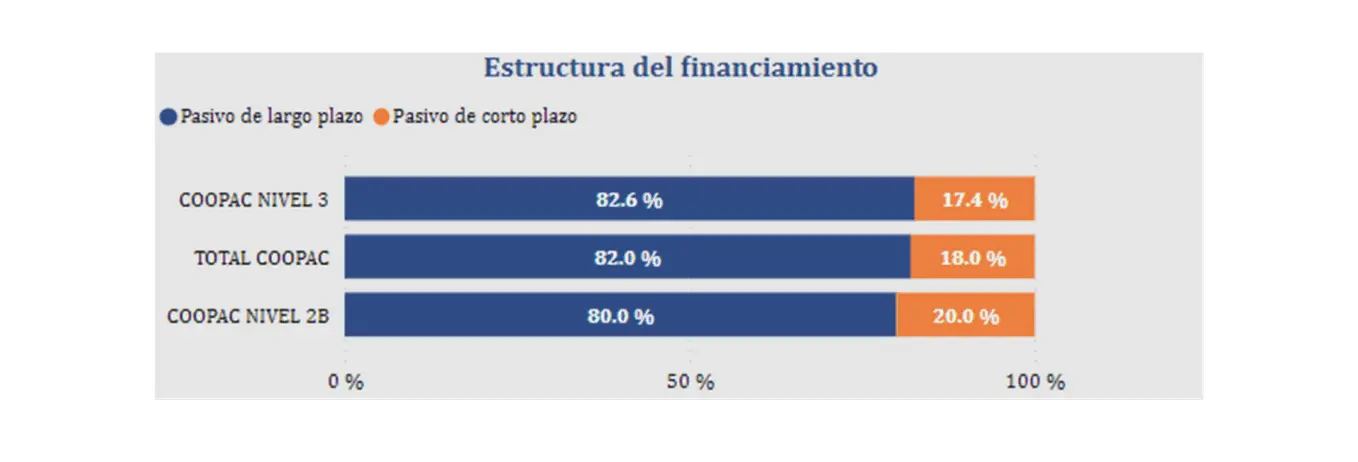
The funding structure remains equally concentrated in the long term, favoring maturity matching to some extent, especially since the maturity of loans disbursed is concentrated in the medium term (beyond 3 years). A longer-term structure provides operational flexibility and enables the creation of credit products that support fixed-asset investment plans for businesses and even households (home improvement). 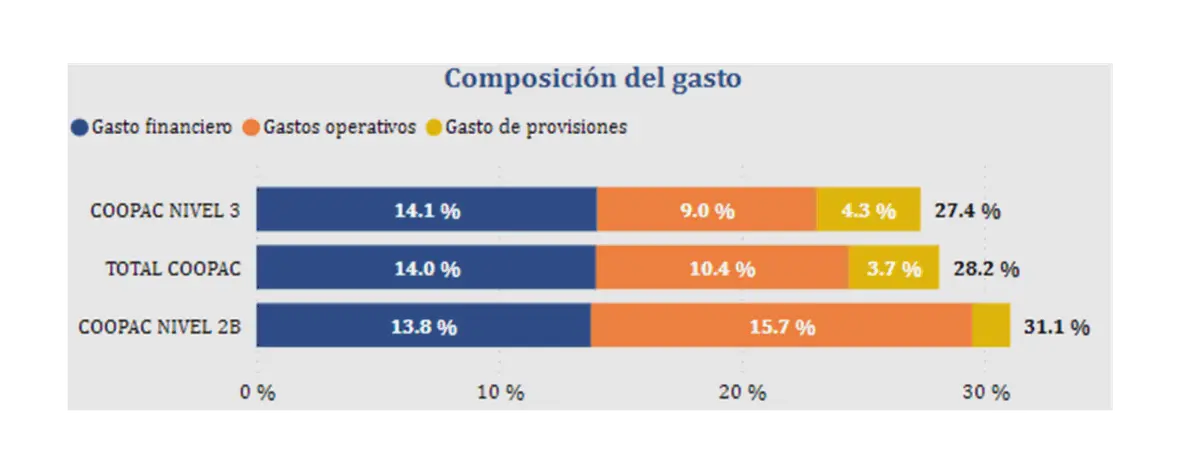
The cooperative sector's profitability is comparatively lower than in previous periods. It is affected by a lower portfolio yield, explained not only by strong competition but also by the increase in the portfolio at risk. The rise in provisioning expense in recent periods, associated with a deterioration in portfolio quality, also had an adverse impact. Nonetheless, the operating margin remains positive as of the first quarter of 2023, albeit lower than two years earlier. A focus on operational efficiency (cost control) is what would mainly explain the result, led by Level 3 COOPACs, which show better indicators.
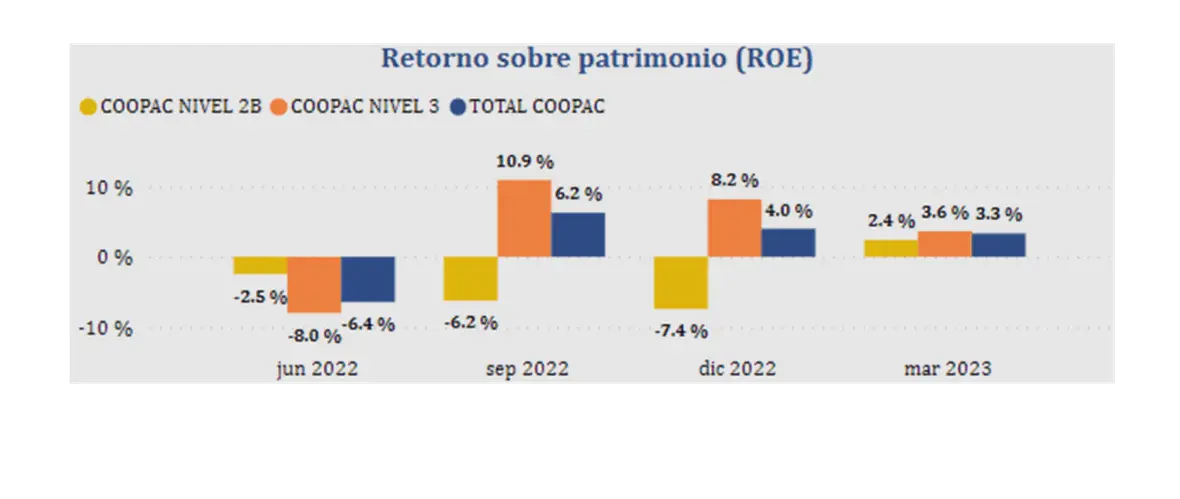
Level 2B COOPACs show a better portfolio yield, explained by the niche or different segments they target, more focused on MSEs (micro and small enterprises), as well as consumer lending. Operational efficiency and improvement in financial expenses are considered among their main challenges.